Roof replacement cost is one of the first questions homeowners ask when they realize their roof has reached the end of its life—or when a storm forces the conversation. The honest answer is that it depends on several variables, and a number pulled from a national average isn’t going to tell you much about what you’ll actually pay in Springfield, Missouri.
This guide breaks down the real factors that drive roof replacement pricing—material type, roof size, pitch, existing damage, and contractor quality—so you can go into the process as an informed buyer rather than a surprised one.
What Affects the Cost of a Roof Replacement?
No two roofs are identical, which is why no two quotes look the same. Roof replacement cost is shaped by a combination of factors—some you can control, some you can’t. Understanding each one helps you evaluate bids more clearly and avoid surprises when the job begins.
Roof Size
Roofing is priced by the square—one roofing square equals 100 square feet. A larger roof simply requires more materials and more labor. The square footage of your roof is one of the most direct cost drivers, but it’s worth noting that the footprint of your home isn’t the same as your roof’s square footage. Pitch, overhangs, and roof complexity all affect the actual measurable area.
Roof Pitch and Complexity
A steeply pitched roof costs more to replace than a low-slope one. Steeper roofs require additional safety measures, slow down the crew, and increase labor time. Roofs with multiple valleys, dormers, skylights, or complex angles also take longer and require more precise material cuts—which means more waste and more cost.
Material Choice
This is often the biggest variable in a quote. The shingle or roofing system you select has a direct impact on both upfront cost and long-term value. We cover material options in detail in the next section.
Tear-Off and Disposal
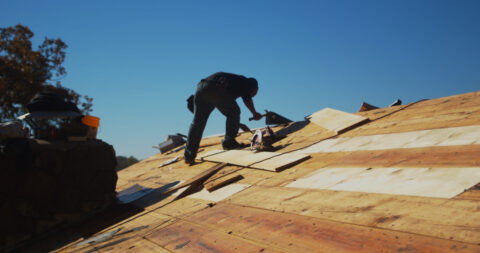
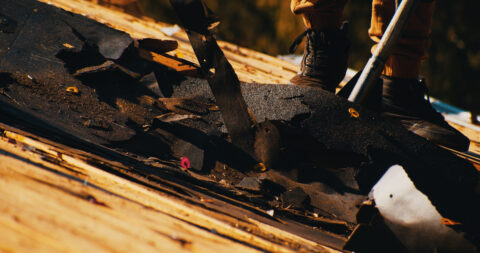
If your existing roof needs to be removed before the new one goes on—which is standard practice for a quality installation—that tear-off and disposal adds to the total. Multiple layers of old shingles increase both the labor and the disposal cost.
Decking Condition
Once shingles are removed, a contractor can assess the condition of the roof decking underneath. Rotted or damaged decking boards need to be replaced before the new roof goes on. This cost can’t always be predicted before tear-off begins, which is why reputable contractors build in a contingency conversation with homeowners upfront rather than surprising them mid-job.
Flashing, Vents, and Accessories
A full replacement typically includes new flashing around chimneys, skylights, and vents. These materials and the labor to install them correctly add to the project cost—but cutting corners here is one of the most common sources of future leaks.
Labor and Contractor Quality
Not all labor costs are equal. An experienced, licensed, insured contractor with factory training and manufacturer credentials will charge more than an unlicensed crew—and for good reason. Workmanship directly affects how long a roof performs and whether the manufacturer warranty remains valid.
Roofing Material Types and Cost Ranges
The material you choose is one of the most significant decisions in a roof replacement. Each option carries a different price range, lifespan, and performance profile. Here’s what Springfield homeowners typically encounter:
Asphalt Shingles
Asphalt shingles are the most common residential roofing material in the country, and for good reason—they offer solid performance at an accessible price point. Cost typically ranges from $3 to $6 per square foot installed, though premium architectural and designer shingles sit at the higher end. A quality asphalt shingle roof can last 25 to 50 years depending on the product tier and installation quality.
As an Owens Corning Platinum Preferred Contractor, Dale’s Roofing installs Owens Corning shingle systems backed by some of the strongest warranty coverage in the industry—including workmanship protection that covers the installation itself, not just the materials.
Metal Roofing
Metal roofing has grown significantly in popularity due to its durability, energy efficiency, and low maintenance requirements. Costs typically range from $5 to $12 per square foot installed, depending on the metal type (steel, aluminum, copper) and style (standing seam vs. metal shingles). Metal roofs can last 40 to 70 years with proper installation and are particularly well-suited to the weather extremes of the Ozarks region.
Wood Shingles and Shakes
Wood shingles offer a natural, distinctive look that appeals to certain architectural styles. Cedar is the most common choice. Costs typically run from $7 to $12 per square foot installed. Wood roofing requires more maintenance than asphalt or metal and may carry restrictions in certain areas due to fire ratings.
Slate Roofing
Natural slate is one of the most durable roofing materials available, with lifespans that can exceed 100 years. It’s also one of the most expensive options, typically ranging from $10 to $20 per square foot installed—and sometimes more for rare slate varieties. Slate requires specialized installation expertise and structural support due to its significant weight.
Tile Roofing
Clay and concrete tile roofing offers a distinctive appearance and strong durability, particularly in climates with significant sun exposure. Costs range from $10 to $20 per square foot installed. Like slate, tile is heavy and may require structural reinforcement. It’s less common in Missouri but worth considering for homeowners drawn to its aesthetic.
Single-Ply Membrane (Flat or Low-Slope Roofs)
For flat or low-slope commercial and residential roofs, single-ply membrane systems like TPO or EPDM are the standard. Costs typically range from $3 to $7 per square foot. Dale’s Roofing handles both residential and commercial flat roofing systems in the Springfield area.
What a Realistic Budget Looks Like for Springfield Homeowners
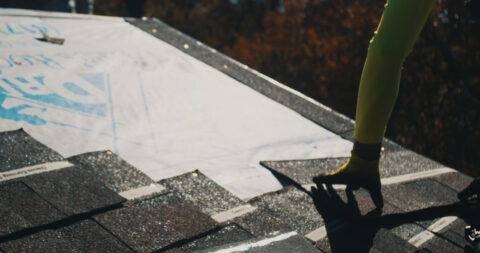
For a typical single-family home in the Springfield and Ozarks region, a full asphalt shingle roof replacement generally falls in the range of $8,000 to $20,000 or more, depending on the home’s size, roof complexity, material selection, and any underlying issues discovered during tear-off.
That’s a wide range—and intentionally so. A 1,200-square-foot ranch with a simple gable roof and standard architectural shingles sits at a very different price point than a 2,800-square-foot two-story with multiple dormers and a steep pitch. The only reliable way to get an accurate number for your specific home is a professional estimate.
What you should be cautious of: quotes that seem significantly lower than others without explanation. Unusually low bids often reflect lower-quality materials, unlicensed labor, skipped steps like proper decking inspection, or a storm-chaser crew that won’t be around if something goes wrong afterward.
Repair vs. Replace: How to Know Which One You Need
Not every roofing problem requires a full replacement. Knowing the difference can save you significant money—or help you avoid throwing money at repairs on a roof that’s already past its useful life.
Repair is typically the right call when:
- The roof is less than 15 years old and the damage is isolated
- Only a small section of shingles is affected
- Flashing failure is the primary issue
- The underlying decking is in good condition
Replacement is typically the better investment when:
- The roof is approaching or past its expected lifespan
- Granule loss is widespread across the surface
- Multiple areas show cracking, curling, or missing shingles
- Repeated repairs haven’t resolved the underlying problem
- Storm damage is extensive and insurance is covering the replacement
A professional inspection gives you an objective answer. Dale’s Roofing provides honest assessments—if your roof can be repaired, we’ll tell you. If replacement is the smarter long-term move, we’ll explain exactly why.
A Word About Storm Chasers and Unusually Low Bids
After any significant hail or wind event in the Springfield area, door-to-door roofing solicitors tend to appear in affected neighborhoods. These “storm chasers” follow severe weather from market to market, and they often lead with low prices or promises of easy insurance claims.
The risks associated with storm chasers are real and well-documented. They may use inferior materials, skip essential installation steps, collect a deposit and leave before completing the work, or simply not be reachable when a warranty issue arises. Their low bids frequently reflect corners cut—not genuine savings.
Reputable local roofing companies don’t solicit business door-to-door after storms. They earn work through reputation built over years of serving the same community. Dale’s Roofing has operated in southwest Missouri since 1986—we’re here before the storm, and we’ll be here long after it passes.
Why Contractor Credentials Affect Your Warranty—and Your Cost
The contractor you choose doesn’t just affect the quality of the installation—it affects what kind of warranty protection you receive. Owens Corning, for example, offers tiered warranty coverage based on contractor designation. A Platinum Preferred Contractor like Dale’s Roofing can provide homeowners access to enhanced warranty options that aren’t available through standard contractors.
That distinction matters for two reasons. First, the workmanship warranty covers installation errors—not just defective materials—which is the most common source of premature roof failure. Second, a strong warranty is a meaningful asset if you sell your home, as it transfers to the new owner and reflects the quality of the original installation.
When comparing quotes, ask every contractor what warranty coverage they can provide. The answer tells you a great deal about both their confidence in their work and their relationship with the manufacturer.
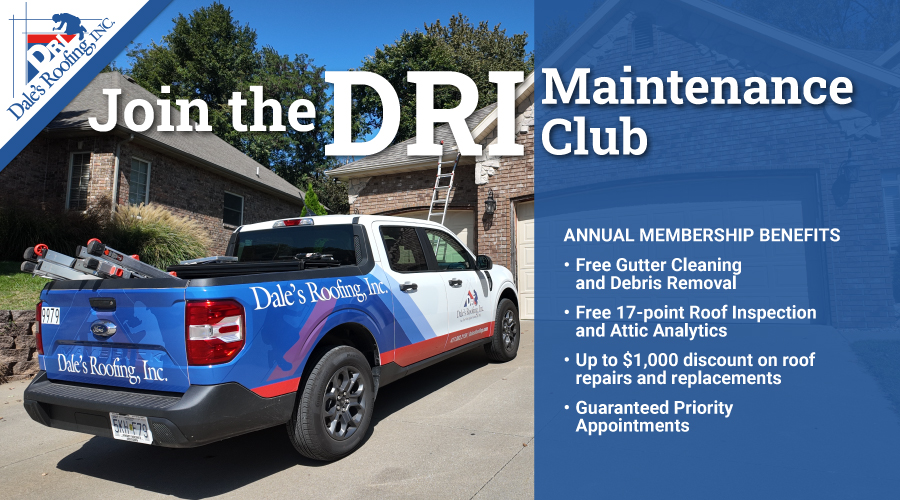
Protect Your Investment with the DRI Maintenance Club
A new roof is a significant investment—and like any investment, it benefits from consistent attention. The DRI Maintenance Club from Dale’s Roofing is designed to extend roof life, catch small problems before they grow, and keep homeowners protected between major weather events.
For less than $200 a year, DRI Club members receive:
- Annual roof and attic inspection
- Gutter cleaning and debris removal
- Discounts on repairs and future replacements
- Documented inspection records kept on file—an important asset when filing an insurance claim or demonstrating maintenance history to an insurer
Whether your roof is brand new or approaching mid-life, annual maintenance is the most cost-effective way to protect what you’ve invested in it.
Frequently Asked Questions About Roof Replacement Cost
How much does a roof replacement cost in Springfield, MO?
For a typical single-family home in the Springfield area, asphalt shingle roof replacements generally range from $8,000 to $20,000 or more depending on roof size, pitch, material selection, and any underlying issues discovered during tear-off. The only way to get an accurate number for your specific home is a professional on-site estimate.
How long does a roof replacement take?
Most residential roof replacements in the Springfield area are completed in one to three days. Larger or more complex roofs, or those requiring significant decking repair, may take longer. Weather can also affect scheduling and completion timelines.
Will my homeowner’s insurance cover a roof replacement?
It depends on the cause of the damage. Most homeowner’s insurance policies cover roof replacement when damage results from a covered peril—typically hail, wind, or other sudden storm events. Damage resulting from age, wear, or neglect is generally not covered. Dale’s Roofing can help you understand your situation and work with your insurance company through the claims process.
Does replacing a roof increase home value?
Yes. A new roof is one of the home improvement projects with the strongest return on investment at resale. It also improves curb appeal, reduces buyer concerns during inspection, and—if installed by a Platinum Preferred Contractor—may include a transferable warranty that adds value to the transaction.
How do I know if I need a repair or a full replacement?
A professional inspection is the most reliable way to answer that question. Factors like the age of the roof, the extent of granule loss, the number of affected areas, and the condition of the underlying decking all inform that decision. If your roof is less than 15 years old and damage is isolated, repair is often the right call. If it’s approaching end of life with widespread deterioration, replacement is typically the smarter long-term investment.
What is the longest-lasting roofing material?
Natural slate has the longest lifespan of common roofing materials, sometimes exceeding 100 years. Metal roofing typically lasts 40 to 70 years. Quality asphalt shingles, properly installed and maintained, can last 25 to 50 years depending on the product tier. For most Missouri homeowners, a premium asphalt shingle system offers the best balance of longevity, performance, and cost.
What should I look for when getting roofing quotes?
Compare the scope of work—not just the bottom line. A lower bid may exclude tear-off, use lower-grade materials, or lack the contractor credentials to offer manufacturer warranty protection. Ask about licensing, insurance, manufacturer designations, and what warranty coverage is included. A trustworthy contractor will answer all of these questions without hesitation.
Ready to Get a Roof Replacement Estimate in Springfield, MO?
Roof replacement is one of the most significant home improvement investments you’ll make—and one of the most important to get right. The contractor you choose, the materials you select, and the maintenance you commit to afterward all determine how long that investment performs.
Dale’s Roofing has been serving Springfield and southwest Missouri homeowners since 1986. As an Owens Corning Platinum Preferred Contractor, we bring factory-trained crews, premium materials, and workmanship-backed warranty coverage to every job. We’ll give you a clear, honest estimate—no pressure, no gimmicks, and no surprises mid-project.
Contact us to schedule your free estimate. We’ll tell you exactly what your roof needs and what it will cost.