If you’ve been looking for ways to bring more natural light into your home, you’ve probably considered a skylight. But skylights aren’t the right fit for every house—especially if you have a large attic space between your ceiling and roof. That’s where the sun tunnel comes in. A sun tunnel is one of the best alternatives to a traditional skylight, and in many cases, it’s actually the smarter choice.
What Is a Sun Tunnel?
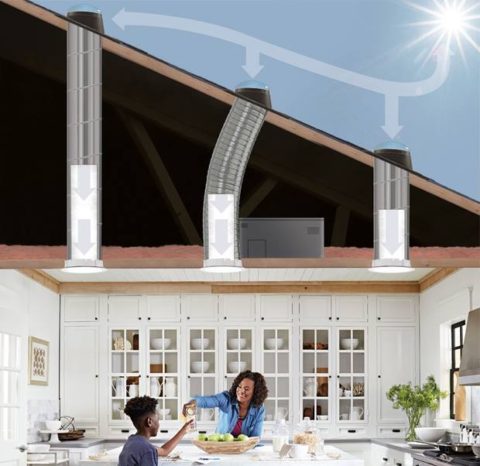
A sun tunnel—sometimes called a sun tube or tubular skylight—is a reflective tube that runs from a dome on your roof down through the attic and into a ceiling diffuser in your living space. It captures sunlight at the roofline and channels it directly into the room below.
The result is soft, even, natural-looking light—without the structural complexity of a traditional skylight installation. No large roof opening. No framing changes. No worries about heat gain or loss the way you might have with full-size glazed skylights.
For rooms that feel dim no matter how many lamps you add—hallways, bathrooms, laundry rooms, closets—a sun tunnel can be a game changer.
Sun Tunnel vs. Skylight: What’s the Difference?
Both options bring natural light into your home, but they work differently and suit different situations.
A traditional skylight requires a larger roof opening and, in most cases, a light shaft built down through the attic. This makes it better suited for rooms directly below the roofline with minimal attic space. Skylights offer a view of the sky and can be vented for airflow, but the installation is more involved and more expensive.
A sun tunnel, by contrast, works well even when there’s significant attic depth between the roof and ceiling. The reflective tube bends and extends as needed to reach the room below. Installation is faster, less invasive, and typically more affordable—while still delivering meaningful natural light.
If your goal is light—not a view—a sun tunnel is often the better option.
Flexible vs. Rigid: Which Sun Tunnel Is Right for You?
Not all sun tunnels are the same. VELUX, one of the leading manufacturers in the industry, offers two styles: Flexible and Rigid. Dale’s Roofing is a Featured 5-Star VELUX Installer, so we work with both options regularly and can help you determine which makes sense for your home.
Flexible Sun Tunnel
The Flexible Sun Tunnel is designed for shorter runs—situations where the distance between the roof and the ceiling is relatively small. As the name suggests, the tube can bend around obstacles in the attic, making it a practical choice when there are rafters, HVAC components, or other obstructions in the way. It produces a softer, diffused quality of light and is one of the easier installations available.
Rigid Sun Tunnel
The Rigid Sun Tunnel is better suited for longer runs and performs well when you want brighter, more direct white light. Because it doesn’t flex, it maintains maximum reflectivity over a longer distance. If you’re trying to light a larger space or need the tunnel to travel farther from the roofline to the ceiling, the Rigid is typically the stronger performer.
If you’re not sure which style fits your home, that’s exactly the kind of question Dale’s can help answer before any work begins.
How Sun Tunnel Installation Works
One of the biggest advantages of a sun tunnel over a traditional skylight is how straightforward the installation is. A VELUX Sun Tunnel typically takes a professional installer about 90 minutes from start to finish. Here’s how the process works.
Step 1: Attic Assessment
Your installer begins in the attic—inspecting the space, taking measurements, and marking where the openings will go in both the roof and the ceiling. Good placement planning here makes the rest of the job go smoothly.
Step 2: Roof Work
Once on the roof, the installer cuts the opening and installs the dome, upper collar, flashing, and lens. Proper flashing is critical—it’s what keeps the installation watertight for years to come. This is one of the main reasons professional installation matters.
Step 3: Interior Finish
Back inside, the installer connects the reflective tube between the two openings, seals the seams, and finishes the ceiling with a diffuser and trim ring. When sunlight hits the dome outside, the room lights up—no electricity required.
Why Professional Installation Matters
Installing a sun tunnel means cutting holes in your roof and ceiling. Done right, it’s a clean, watertight, long-lasting upgrade. Done wrong, it’s a future leak waiting to happen.
A qualified installer will evaluate your attic layout, recommend the right tunnel style and size, ensure the flashing is properly sealed, and position the dome to maximize light capture based on your roof’s orientation. It’s a relatively quick job, but the expertise behind it makes all the difference.
Dale’s Roofing has served the Springfield, MO area for nearly 40 years. As an Owens Corning Platinum Preferred Contractor and VELUX 5-Star Featured Installer, every project—large or small—is backed by workmanship and manufacturer warranties.

Frequently Asked Questions
Can a sun tunnel be installed in any room?
In most cases, yes—as long as there’s a path from the roof to the ceiling. Sun tunnels work especially well in interior rooms that don’t have exterior walls or windows, like hallways, bathrooms, and laundry rooms.
Will a sun tunnel work on a cloudy day?
Yes, though output will be reduced. Sun tunnels are designed to capture and channel diffused daylight, not just direct sunlight. On overcast days, they still bring in more light than a standard interior room would otherwise receive.
How does a sun tunnel affect my roof’s integrity?
When properly installed with correct flashing, a sun tunnel does not compromise your roof. The dome and flashing are designed to create a watertight seal that protects the opening from rain, snow, and debris.
Is a sun tunnel energy efficient?
Yes. Because sun tunnels bring in natural light without electricity, they can reduce daytime lighting costs. The dome design also minimizes heat transfer, unlike some traditional skylight glazings.
How do I maintain a sun tunnel?
Sun tunnels are largely low-maintenance. The exterior dome should be cleared of debris periodically, and the flashing should be inspected during your annual roof inspection—something covered under Dale’s DRI Maintenance Club™.
Dale’s Roofing has been serving Springfield and surrounding communities for nearly 40 years. As a VELUX 5-Star Featured Installer and Owens Corning Platinum Preferred Contractor, we’re equipped to handle sun tunnel installations of every size. Request a free estimate to get started.