Every storm season, two things arrive in Springfield: hail damage and the contractors looking to profit from it. Some of those contractors are legitimate. Many are not. Knowing how to avoid roofing scams before someone shows up at your door—or calls your phone—is one of the most important things a homeowner can do to protect their home and their wallet.

The Most Common Roofing Scam Tactics
Scammers don’t always operate the same way, but most schemes fall into a handful of recognizable categories.
The Unsolicited Knock
A contractor appears at your door—often right after a storm—claiming they were working in the neighborhood and noticed damage to your roof. They offer to take a look for free. This is one of the most common entry points for fraud. A legitimate roofing company doesn’t need to solicit business door-to-door. If you didn’t call them, be skeptical.
The Inflated or Invented Damage
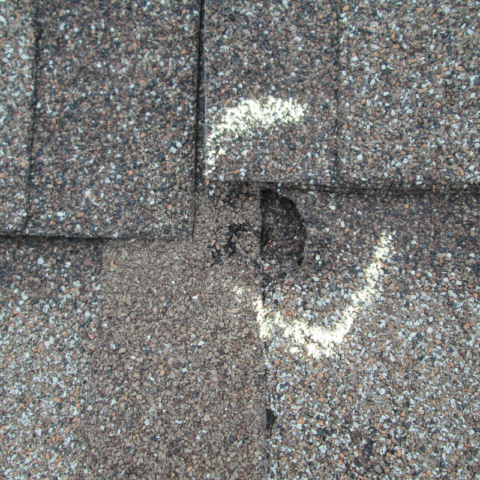
Some scammers will climb onto your roof and either exaggerate minor wear as storm damage or physically cause damage themselves during the “inspection.” They then present you with photos as evidence and push for an immediate insurance claim.
The Vanishing Act
A contractor collects a deposit—sometimes a substantial one—and disappears before any work is done. This is especially common with out-of-town operators who have no established presence in the community.
The Unfinished Job
Work begins, but the contractor abandons the project partway through, leaving your roof partially torn apart and exposed to the elements. Recovering from this situation can be expensive and time-consuming.
The Escalating Quote
The initial estimate seems reasonable, but once work starts, the price keeps climbing. Each new “discovery” adds to the bill. A professional roofer should be able to provide a thorough assessment upfront and stand behind their estimate.
The Insurance Fraud Play
A storm chaser convinces you to file an insurance claim, completes cheap work, pockets whatever remains from the payout, and moves on to the next neighborhood. In some cases, the homeowner doesn’t realize they’ve been left with substandard materials until the next major storm.
Red Flags to Watch For
Not every red flag means fraud, but any of these should prompt you to slow down and do more research before signing anything.
No local address or verifiable presence in the Springfield area is a significant warning sign. So is pressure to sign a contract on the spot, a request for a large cash deposit before work begins, or a contractor who offers to waive your insurance deductible. That last one isn’t a deal—it’s illegal in Missouri.
Also be cautious of contractors who can’t provide proof of insurance and licensing, who refuse to put the scope of work in writing, or who pressure you to let them handle your insurance claim directly.
How to Find a Roofing Contractor You Can Trust
The best protection against roofing scams is having a relationship with a local contractor before you need one. Here’s what to look for when vetting a roofer.
Local Presence and Longevity
A company that has operated in Springfield for years—with a physical address, local phone number, and community reputation—has something to lose if they do bad work. That accountability matters.
Verifiable Credentials
Look for industry certifications that require demonstrated quality and ongoing standards. Dale’s Roofing is an Owens Corning Platinum Preferred Contractor, a designation held by fewer than 1% of roofing contractors nationwide. It’s not a title that’s purchased—it’s earned through consistent performance.
Clear, Written Estimates
A trustworthy contractor provides a detailed written scope of work before any project begins. If someone is reluctant to put the details in writing, that’s a problem.
No Pressure
A legitimate contractor will give you time to make a decision. If someone is pushing you to sign today or claiming the price will increase if you wait, walk away.
What to Do If You Think You Have Storm Damage
If a storm has moved through your area and you’re concerned about your roof, the right move is to call a local roofing company you trust—not to respond to whoever knocks on your door first.
A professional inspection will tell you whether there’s genuine damage, how severe it is, and whether it warrants an insurance claim. Some damage is urgent; some can wait. A trustworthy roofer will tell you the difference honestly.
At Dale’s Roofing, we offer free estimates and will walk you through the insurance process if a claim is appropriate. We’ll also tell you if it’s not—because not every storm causes claimable damage, and filing unnecessary claims can affect your rates.
If there is damage that needs immediate attention, we provide short-term protective solutions while the insurance process moves forward. If it can wait, we’ll tell you that too. The goal is always to give you accurate information, not to push you toward a decision.
Protecting Yourself Year-Round With the DRI Maintenance Club™
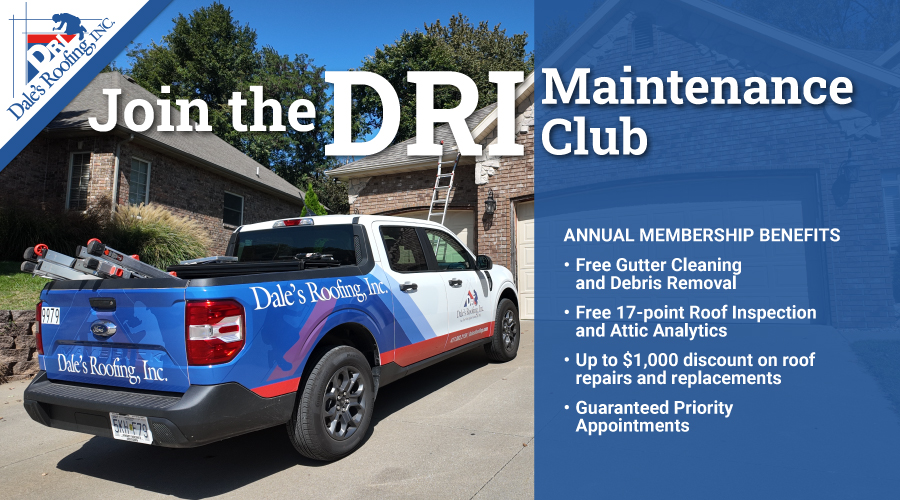
One of the best defenses against both storm damage and contractor fraud is having a documented history of professional roof maintenance. Dale’s DRI Maintenance Club™ provides annual inspections, gutter cleaning, and discounts on repairs and replacements—all for less than $200 a year.
The inspection record that comes with membership is particularly valuable when it comes to insurance claims. When you can show an insurer a history of professional maintenance and pre-storm documentation, the claims process is significantly smoother. It also means you know the current condition of your roof before a storm ever hits—so you’re not relying on a stranger’s assessment after one does.
Frequently Asked Questions
Is it illegal for a roofer to waive my insurance deductible?
Yes. In Missouri, it is illegal for a contractor to waive, absorb, or rebate an insurance deductible as part of a roofing contract. If a contractor offers to cover your deductible, that’s a serious red flag—and potentially a sign of insurance fraud.
What should I do if a storm chaser has already done work on my roof?
Contact your insurance company to report the situation, and reach out to the Missouri Attorney General’s office or the BBB to file a complaint. A licensed local roofer can assess the quality of the work and advise on next steps.
How do I verify that a roofing contractor is legitimate?
Ask for their Missouri contractor license number, proof of general liability insurance and workers’ compensation, a physical business address, and references from recent local jobs. You can also check their BBB rating and search for online reviews.
Do I need to file an insurance claim after every storm?
No. Not every storm causes damage that meets your deductible or warrants a claim. A professional inspection will help you make that determination. Filing unnecessary claims can raise your premiums, so it’s worth getting an honest assessment first.
How long after a storm can I file a claim?
Most homeowners insurance policies allow claims to be filed within one year of a storm event, though this varies by policy. Don’t let a contractor pressure you into rushing the process—take the time to vet who you’re working with.
Dale’s Roofing has served the Springfield, MO area for nearly 40 years. As an Owens Corning Platinum Preferred Contractor and BBB Torch Award recipient, we stand behind every inspection, repair, and replacement. If you’re concerned about storm damage—or just want a second opinion—request a free estimate or learn more about the DRI Maintenance Club™.