April’s hailstorm made national headlines—and for good reason. The damage across Springfield was significant, and thousands of homeowners are now facing the stressful reality of assessing how the storm damaged their roofs.
If your home took a hit, you’re not alone. But as you begin the process of hail damage roof repair, there’s something equally important to know: the period immediately following a major storm are also prime time for contractor fraud.
Getting your roof repaired the right way means knowing not just what to look for on your roof—but what to watch out for at your front door.
What Hail Actually Does to Your Roof
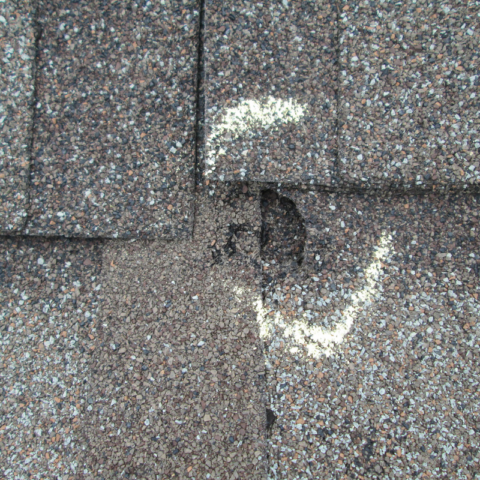
Hail damage isn’t always obvious from the ground. That’s part of what makes it so problematic. A storm that produces hail the size of a quarter or larger can cause significant damage to shingles, gutters, flashing, and skylights—damage that may not cause an immediate leak but will shorten the life of your roof dramatically if left unaddressed.
Here’s what hail damage typically looks like during a professional inspection:
- Bruising or soft spots on asphalt shingles, where the granule layer has been knocked away and the mat beneath is exposed
- Dented or cracked gutters and downspouts
- Damaged flashing around chimneys, vents, and skylights
- Granule accumulation in gutters or at the base of downspouts—a telltale sign that shingles took impact
Even if your roof looks intact from the street, a trained eye may find damage that qualifies for an insurance claim. That’s why a professional inspection by a qualified, local roofing contractor is always the right first step—not a free inspection from someone who just knocked on your door.
Your First Steps After the Storm
Before you call anyone, take a few steps to document your situation and protect yourself throughout the claims process.
- Document everything visually. Walk around your home and photograph your roof, gutters, siding, and any visible debris. Include timestamps.
- Contact your insurance company. Report the potential damage and ask about the claims process before any repair work begins.
- Reach out to a trusted local contractor. Contact a roofing company you’ve researched independently—not one that contacted you first.
- Don’t rush into signing anything. Pressure to sign immediately is a red flag, not a sign of urgency on the contractor’s part.
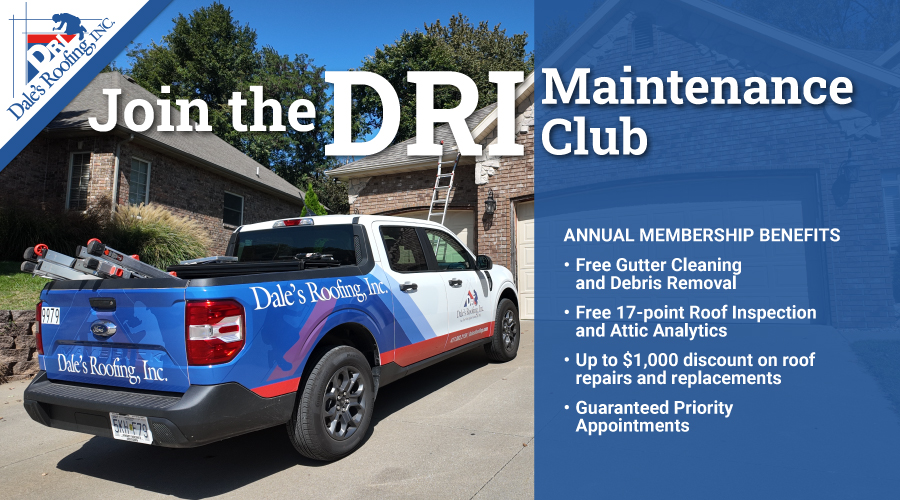
If you’re a member of Dale’s DRI Maintenance Club, you have a documented inspection history on file—one of the most valuable tools you can have when filing a storm-related insurance claim. That record establishes your roof’s condition before the storm hit, which strengthens your case with your insurance adjuster.
Storm Chasers Are Already Here—Here’s What They Look Like
Within hours of a major storm, out-of-area contractors begin arriving in affected communities. These “storm chasers” aren’t local businesses with a stake in the community—they’re operations that follow weather events from market to market, targeting homeowners at their most stressed and vulnerable.
Common storm-chaser tactics include:
- Inventing or manufacturing damage during an unsolicited “free inspection”
- Collecting a large deposit before any work begins, then becoming unreachable
- Using vague contract language that limits your ability to dispute poor work or seek recourse
- Operating without local licensing, insurance, or verifiable credentials
A trustworthy contractor doesn’t need to solicit you. Legitimate roofing companies let customers come to them. If someone knocked on your door after the storm and is pushing you to decide quickly, that’s reason enough to slow down.
It’s Not Just Door-to-Door: Phone Spoofing and Digital Scams
Post-storm fraud has gotten more sophisticated. We’ve received reports from Springfield homeowners who called a legitimate roofing company’s direct number and were connected to a completely different business. In some cases, callers received a text message within seconds of hanging up—addressed to them by full name—even though they called from a private cell phone.
This is phone number spoofing combined with automated lead-farming systems. Scammers can make calls appear to come from any number—including a real, local business. Call interception services redirect callers away from legitimate companies to competitors who pay for the lead. And data broker networks can match a phone number to a name and address almost instantly.
To protect yourself: always look up a company’s number independently rather than using one provided by someone who contacted you first. Search the business name directly, verify the number matches their official website, and trust your instincts if something feels off.

How to Verify a Roofing Contractor Before You Sign
Whether you’re choosing a contractor for the first time or double-checking someone who reached out to you, these steps will help you make a confident, informed decision.
- Verify manufacturer credentials. Certifications like Owens Corning’s Platinum Preferred Contractor designation require contractors to meet rigorous standards for installation quality, insurance coverage, and customer satisfaction. These credentials are publicly verifiable on the manufacturer’s website.
- Ask for proof of licensing and insurance. Any reputable contractor should provide this without hesitation.
- Look for an established local presence. Check Google reviews, the Better Business Bureau, and platforms like Angi. Look for consistent history, not just a cluster of recent five-star reviews.
- Ask about warranties. A quality contractor will back their work with a workmanship warranty in addition to the manufacturer’s materials warranty. Get everything in writing.
- Be cautious with large upfront deposits. A small deposit for materials may be reasonable. Requests for full or near-full payment before work begins are a significant warning sign.
Why Local Experience Matters After a Major Storm
A contractor who has operated in Springfield for decades knows this community, understands regional weather patterns, and has a reputation to protect. They’re not going to collect a check and drive to the next storm. They’ll be here when you call with a question six months from now.
Dale’s Roofing has been serving Springfield homeowners for nearly 40 years. As an Owens Corning Platinum Preferred Contractor, we are held to the highest standards in the industry for installation quality and customer service. Every job comes backed by both a manufacturer’s materials warranty and a workmanship guarantee.
Frequently Asked Questions
How do I know if my roof has hail damage?
Hail damage isn’t always visible from the ground. Signs include dented gutters, granule loss on shingles, soft spots or bruising on the shingle surface, and cracked or lifted flashing. A professional inspection is the most reliable way to assess damage after a major storm.
Should I let a storm chaser inspect my roof for free?
Proceed with caution. Unsolicited inspections by out-of-area contractors after a storm are a common entry point for fraud. Some bad actors use these visits to invent damage or cause minor damage that becomes justification for a larger repair. Always verify credentials before allowing anyone on your roof.
What is phone number spoofing and how does it relate to roofing scams?
Phone number spoofing allows scammers to make a call appear as if it’s coming from a legitimate business’s phone number. After major storms, some operations use this technology to intercept calls intended for trusted local companies and redirect homeowners to fraudulent contractors. Always look up a company’s contact information independently before calling.
What is the Dale’s Roofing DRI Maintenance Club?
The DRI Maintenance Club is an annual membership program available for less than $200 per year that includes professional gutter cleaning, an annual roof inspection, and discounts on repairs and replacements. A key benefit is that Dale’s Roofing maintains a documented record of every inspection visit, which can be invaluable when filing a storm-related insurance claim.
How do I report a roofing scam in Missouri?
Contractor fraud can be reported to the Missouri Attorney General’s Office at ago.mo.gov. Phone number spoofing complaints can be submitted to the Federal Communications Commission at fcc.gov. You can also file a report with the Better Business Bureau at bbb.org.