As the colder months settle in, your roof becomes one of the hardest-working systems in your home. Freezing temperatures, snow, sleet, and rapid temperature swings all put pressure on roof shingles and underlying materials.
Understanding how winter affects an aging roof can help you avoid unexpected damage—and know when it’s time to schedule repairs or consider a replacement.
Below, we break down how winter weather impacts your roof, what homeowners should watch for, and why addressing small issues now can extend the lifespan of your entire roofing system.
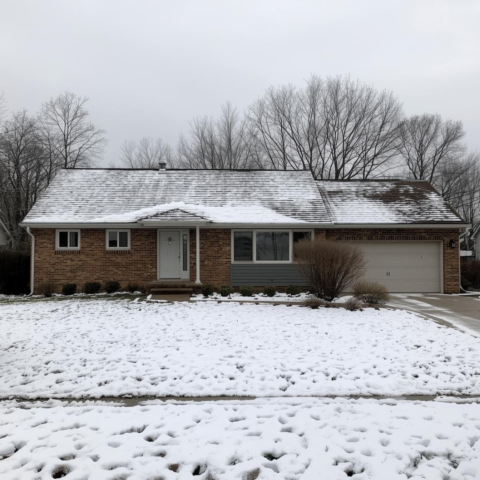
How Freeze–Thaw Cycles Affect Roof Shingles
Missouri winters often bring quick swings between freezing at night and warming during the day. That constant cycle can be tough on older or already weakened shingles.
1. Expansion and Contraction
As temperatures rise and fall, shingles expand and contract. Newer shingles are designed to handle these shifts, but older ones may:
- Become brittle
- Develop cracks
- Lift at the edges
- Loosen around fasteners
Over time, these changes create openings where water can enter.
2. Moisture Penetration
If moisture seeps into even the smallest crack:
- It can freeze
- Expand
- Create or widen existing gaps
This hidden damage often goes unnoticed until spring—when leaks suddenly show up.
Ice and Snow Load Add Stress
Even when we don’t get heavy snowfall, a thin layer of snow or ice puts extra weight and pressure on an aging roofing system.
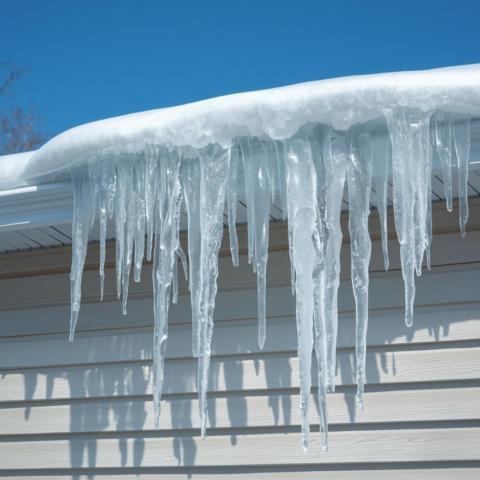
Ice Dams
Ice dams form when:
- Warm attic air melts snow on the roof
- Melted water flows down to the cold eaves
- The water refreezes, creating a ridge of ice
These dams push water up under shingles—exactly where it doesn’t belong.
A strong, well-ventilated roofing system can resist this, but older roofs are far more vulnerable.
Wind + Winter = Compounding Damage
Cold weather often brings strong winds, and if your shingles are already weakened from age:
- They can lift more easily
- Sealant strips may lose adhesion
- Exposed underlayment can deteriorate quickly
Wind damage in winter accelerates roof aging because repairs often can’t wait until warmer weather.
How to Know if Cold Weather Has Already Taken a Toll
Here are early signs your roof may be vulnerable this winter:
- Bald spots or granule loss in gutters or at downspouts
- Curling or cracked shingles
- Dark patches where shingles have lifted
- Visible sagging, especially near valleys
- Attic moisture, frost, or musty smells
- Water spots on ceilings after a thaw
If any of these symptoms show up, addressing them before the next freeze cycle is key to preventing bigger—and more expensive—problems.
Can Roof Repairs Happen in Winter? Yes—If You Work with the Right Contractor.
Many homeowners assume roof work can’t be done in cold weather. That’s not the case.
Professional local roofing companies like Dale’s Roofing perform winter repairs safely and effectively every year. Skilled crews understand how to work with cold-weather materials and ensure proper sealing even in lower temperatures.
When Repairs Can’t Wait
Winter repairs are especially important when you’re dealing with:
- Active leaks
- Wind-lifted shingles
- Ice dam damage
- Exposed underlayment
- Skylight or flashing issues
Pushing repairs off until spring can allow water intrusion that leads to mold, attic damage, warped decking, and even structural issues.
When Replacement May Be the Better Option
If your roof is already near the end of its lifespan—typically 20–30 years for asphalt shingles—winter weather accelerates wear dramatically. In those cases:
- Repairs may be temporary
- Granule loss may worsen
- Cracking and curling may spread
- Seams and valleys may deteriorate
A trusted roofing expert can help you determine whether the roof is still repairable or if a full replacement will save money in the long run.
Why Choosing the Right Roofing Partner Matters in Winter
Winter conditions require experience. Dale’s Roofing is an Owens Corning Platinum Preferred Contractor, meaning homeowners receive:
- Expert installation
- Strong workmanship coverage
- Access to premium materials designed to handle freeze–thaw cycles
- Insurance-backed peace of mind
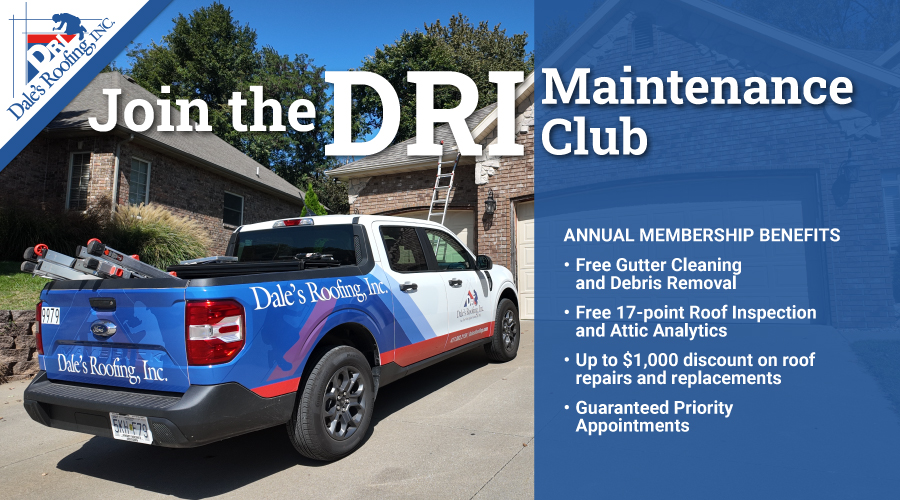
Stay Ahead of Winter Damage with the DRI Maintenance Club
One of the best ways to extend your roof’s lifespan is consistent annual care. For less than $200 a year, the DRI Maintenance Club includes:
- Annual roof & attic inspection
- Gutter cleaning
- Debris removal
- Discounts on repairs and replacements
- Documented inspection reports (perfect for insurance claims)
This is especially valuable in winter, when small issues can quickly escalate.
Final Thoughts
Winter weather can shorten the lifespan of an aging roof—but understanding the risks and addressing problems early can save you headaches down the road.
Whether you need a quick repair, a professional inspection, or want to get ahead of damage with ongoing maintenance, a trusted, local roofing expert makes all the difference.