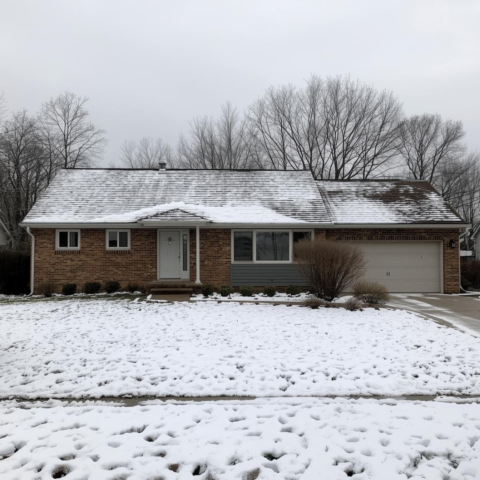
Winter roof damage doesn’t always announce itself with a loud crash or a visible leak. More often, it builds quietly—freeze by freeze, storm by storm—until what could have been a minor repair turns into a major expense. For homeowners in the Springfield and Ozarks region, Missouri winters bring exactly the kind of conditions that wear shingles down fastest: rapid temperature swings, ice, wind, and the occasional heavy snow load.
Understanding how these conditions affect your roof can help you spot problems early, make smart repair decisions, and know when to call a trusted local contractor—before a small issue becomes a costly one.
How Freeze–Thaw Cycles Cause Winter Roof Damage
One of the most damaging forces in a Missouri winter isn’t a single storm—it’s the constant cycle of freezing at night and warming during the day. For roof shingles, especially older ones, this repetition adds up fast.
Expansion and Contraction
As temperatures rise and fall, shingles expand and contract with them. Newer shingles are engineered to handle this movement, but shingles that are already aged or compromised may:
- Become brittle and crack
- Curl or lift at the edges
- Loosen around fasteners
- Develop gaps where water can enter
Each expansion-contraction cycle wears down a shingle’s flexibility. By the time visible damage appears, water may already be getting in.
Moisture Penetration
Even a hairline crack in a shingle can let moisture seep into the underlayment beneath. Once that moisture freezes, it expands—widening the crack and creating new entry points for water. This process often goes unnoticed until spring, when leaks suddenly show up inside the home.
Ice, Snow, and the Hidden Weight on Your Roof
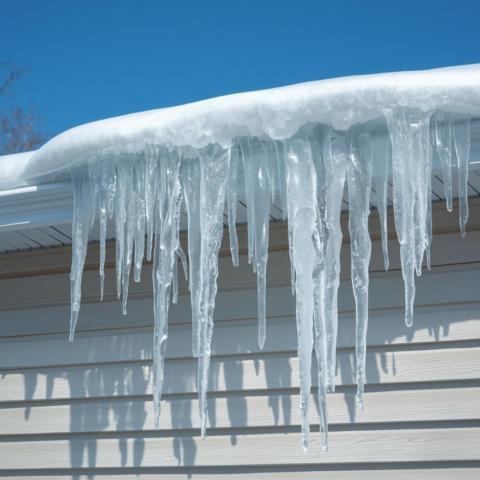
You don’t need a blizzard to stress a roofing system. Even modest accumulation adds weight and creates conditions for one of winter’s most damaging phenomena: ice dams.
Ice dams form when heat from the attic melts snow on the upper part of the roof. That water runs down toward the cold eaves, where it refreezes into a ridge of ice. The dam then forces water back up under the shingles—exactly where it doesn’t belong. The result can be water intrusion into the attic, damaged insulation, and eventually water spots on ceilings inside the home.
A properly ventilated, well-maintained roofing system is far more resistant to ice dams. Older roofs with inadequate ventilation or deteriorating shingles are especially vulnerable.
Cold Weather and Wind: A Damaging Combination
Missouri winters often bring cold snaps paired with strong wind, and that combination accelerates roof wear significantly. In cold temperatures, the sealant strips that hold shingles flat can lose adhesion, making shingles easier to lift. If shingles are already weakened by age or previous damage, winter wind can:
- Pull shingles loose or off entirely
- Expose the underlayment to the elements
- Allow water intrusion that leads to decking damage
Wind damage in winter is particularly urgent because repairs often can’t be delayed until warmer weather. Exposed underlayment or missing shingles need attention fast.
Warning Signs That Winter Has Already Taken a Toll
Winter roof damage isn’t always visible from the street. Some of the most important warning signs show up in unexpected places. Here’s what to watch for:
- Granule loss in gutters or at the base of downspouts
- Curling, cracked, or blistering shingles
- Dark patches or shadowed areas where shingles have shifted
- Visible sagging near roof valleys
- Frost, moisture, or musty smells in the attic
- Water spots on ceilings or walls after a freeze-thaw event
If any of these signs appear, getting a professional inspection scheduled before the next freeze cycle can make a significant difference in how much damage spreads—and how much a repair will cost.
Yes, Roof Repairs Can Happen in Winter
Many homeowners assume roofing work has to wait until spring. It doesn’t. Professional roofing contractors like Dale’s Roofing perform winter repairs safely and effectively every year. Skilled crews understand how to work with cold-weather materials and ensure proper sealing even in lower temperatures.
In fact, some situations make winter repairs urgent. Pushing them off until spring can allow water intrusion to cause mold, rot the decking, damage insulation, and create structural problems that dwarf the original repair cost. Winter repairs are especially important when you’re dealing with:
- Active leaks or water intrusion
- Wind-lifted or missing shingles
- Ice dam damage along the eaves
- Exposed underlayment
- Skylight or flashing failures
Watch Out for Storm Chasers After Winter Events
After a significant ice storm or high-wind event, door-to-door roofing solicitors often appear in neighborhoods across the Springfield area. These “storm chasers” can seem helpful—but homeowners should be cautious.
Storm chasers may invent damage that doesn’t exist, cause damage in the process of “inspecting,” or collect a deposit and disappear before the work is done. They often lack local ties, proper licensing, or any accountability once they’ve moved on to the next storm-affected market.
The safest approach: come to us. Reputable local roofing companies don’t knock on doors to solicit business. Dale’s Roofing earns work through trust, reputation, and results—built over nearly 40 years of serving the Springfield area. If someone shows up uninvited after a storm offering to check your roof, it’s okay to say no and call a contractor you know and trust instead.
When Repair Isn’t Enough: Knowing When to Replace
If your roof is approaching the end of its lifespan—typically 20 to 30 years for asphalt shingles—winter conditions can accelerate the decline dramatically. At that stage, repairs may only be temporary fixes that delay the inevitable.
Signs that replacement may be the smarter investment include widespread granule loss, cracking that spans multiple shingles, significant curling across large sections of the roof, or repeated leaks in the same areas despite repairs. A trusted roofing expert can give you an honest assessment of whether repair or replacement makes more financial sense for your specific situation.
Why Choosing the Right Roofing Partner Matters
Winter conditions require experience. Not every contractor is equipped to handle cold-weather roofing safely or effectively. Dale’s Roofing is an Owens Corning Platinum Preferred Contractor—a designation held by fewer than 1% of roofing contractors in the country.
What that means for homeowners:
- Expert installation by a vetted, experienced crew
- Access to premium Owens Corning materials engineered to handle freeze–thaw cycles
- Enhanced warranty coverage—including workmanship protection that backs not just the materials, but the quality of the installation itself
- Insurance-backed peace of mind
That workmanship guarantee matters. If something goes wrong due to installation error—not just a defective shingle—you’re covered. That’s a level of protection most homeowners don’t know to ask for.
Stay Ahead of Winter Damage with the DRI Maintenance Club
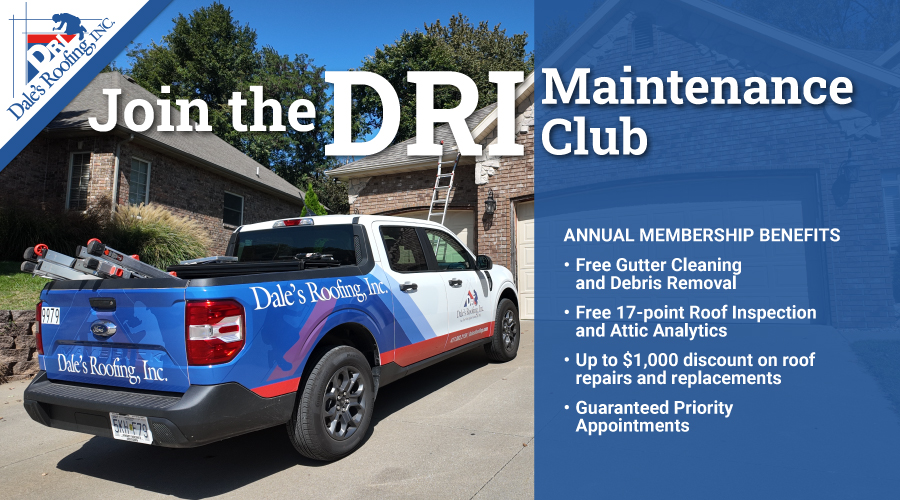
The most cost-effective way to extend your roof’s lifespan is consistent, professional care—and that’s exactly what the DRI Maintenance Club is built for. For less than $200 a year, members receive:
- Annual roof and attic inspection
- Gutter cleaning and debris removal
- Discounts on repairs and replacements
- Documented inspection records kept on file for every visit—invaluable when filing an insurance claim or demonstrating ongoing maintenance to your insurer
That last benefit is worth highlighting. Insurance companies increasingly look for documented maintenance history when evaluating claims. Having a professional inspection record on file—year after year—can make a meaningful difference in how a claim is handled.
For less than most people spend on a single streaming subscription each month, the DRI Club puts professional eyes on your roof before small problems become big ones.
Frequently Asked Questions About Winter Roof Damage
Can a roof be replaced in winter in Missouri?
Yes. Professional roofing contractors in Missouri perform full replacements during winter months. Cold-weather installation requires specific techniques and materials, but experienced crews handle it routinely. If your roof can’t wait until spring, you don’t have to.
How do I know if my roof has ice dam damage?
Common signs include water stains on ceilings or walls, damaged or missing shingles near the eaves, and visible ice buildup along the lower edge of the roofline. If you see any of these after a cold snap, it’s worth getting a professional inspection.
What is an Owens Corning Platinum Preferred Contractor?
It’s the highest tier of contractor designation Owens Corning offers—held by fewer than 1% of roofing contractors nationally. Platinum Preferred Contractors are vetted for installation quality, customer satisfaction, and professional standards. The designation also unlocks enhanced warranty coverage for homeowners, including workmanship protection.
How much does the DRI Maintenance Club cost?
The DRI Maintenance Club is less than $200 per year and includes an annual inspection, gutter cleaning, debris removal, discounts on repairs and replacements, and documented inspection records. It’s one of the most cost-effective ways to protect your roof investment year-round.
What should I do if a storm chaser knocks on my door?
You’re not obligated to let anyone on your roof, and you don’t have to make a quick decision. Politely decline and contact a local roofing company you know and trust. Reputable contractors don’t solicit door-to-door after storms—they let their reputation speak for itself.
Don’t Let Winter Catch Your Roof Off Guard
Winter roof damage is often preventable—or at least manageable—when you know what to look for and who to call. Whether you need a quick repair, a professional inspection, or ongoing maintenance through the DRI Club, the right local partner makes all the difference.
Dale’s Roofing has been protecting Springfield-area homes since 1986. As an Owens Corning Platinum Preferred Contractor, we back our work with both the materials and the craftsmanship to stand behind it. If winter has you wondering about the condition of your roof, we’re happy to take a look.