Winter in the Ozarks doesn’t ease in—it arrives. Between ice storms, heavy winds, and the freeze-thaw cycle that quietly stresses every layer of your roofing system, the weeks before cold weather sets in are your best window to act. This winter roof checklist will walk you through everything you need to inspect, address, or hand off to a professional before the season gets serious.
Why a Winter Roof Checklist Matters More Than You Think
Most roof damage doesn’t happen all at once. It builds up. A small crack, a clogged gutter, a loose shingle—none of these feel urgent in October. But by February, any one of them can turn into a leak, an ice dam, or worse. A little time spent now can save a lot of money and stress later.
The good news: you don’t have to do all of this yourself. But even if you plan to call a professional, knowing what to look for helps you ask the right questions and catch problems before they escalate.
1. Check for Damaged or Missing Shingles
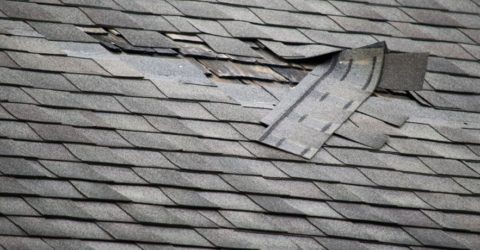
Start with a visual inspection from the ground. Walk the perimeter of your home and look for shingles that are curling, cracked, or missing entirely. Check along the fence line, in flower beds, or near the foundation—shingles that have blown off often land nearby.
While you’re at it, look for granules on the driveway, patio, or in your gutters. Granules are the protective coating on asphalt shingles, and when they start coming off in volume, it’s a sign the shingles are aging and may not be providing the protection they once did.
If you see significant granule loss or missing shingles, that’s not a DIY patch job—it’s a conversation worth having with a qualified roofing contractor.
2. Clean Your Gutters
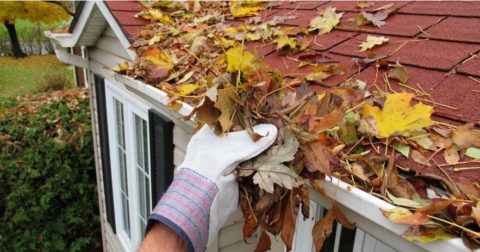
Gutters play a bigger role in roof health than most people realize. When they’re clogged with leaves, twigs, and debris, water backs up instead of draining away. In winter, that backed-up water can freeze, creating ice dams that push beneath your shingles and cause serious interior damage.
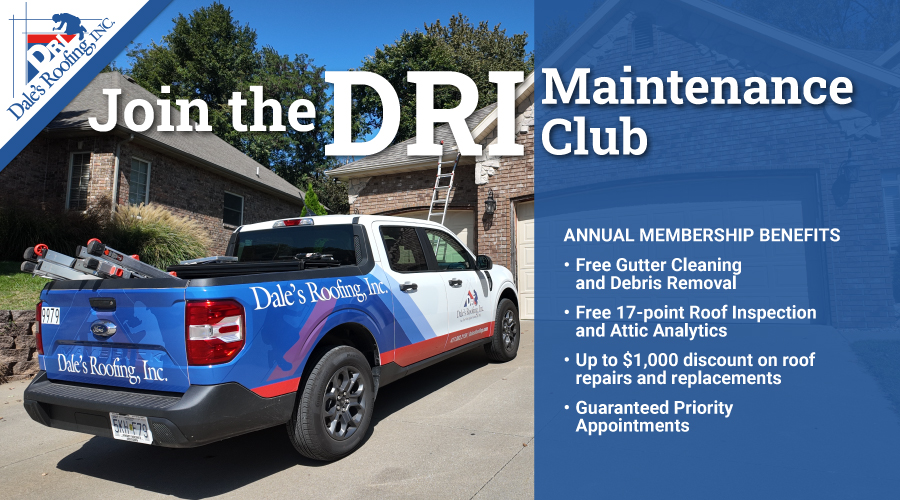
Clear out debris before the first hard freeze. Make sure water can flow freely from the roof through the gutters and out the downspouts. If you’re not comfortable on a ladder—or just don’t want to deal with it—gutter cleaning is included in Dale’s DRI Maintenance Club™, which covers annual maintenance for less than $200 a year.
3. Inspect Your Downspouts
While you’re checking the gutters, take a close look at the downspouts. These can work themselves loose from the gutters over time, and when they do, water ends up pooling near your foundation instead of being directed away from the home.
Make sure downspout extensions are properly positioned and angled away from the house. This one is easy to overlook, but it makes a real difference in preventing water intrusion at the foundation level.
4. Look for Signs of Trouble in the Attic
Your attic can tell you a lot about what’s happening with your roof. Head up there with a flashlight and look for water stains on the rafters or decking, soft spots in the wood, or any signs of moisture. These are indicators that water has already found its way in somewhere.
Also check your insulation and ventilation. A poorly ventilated attic traps heat, which warms the roof deck unevenly and contributes to ice dam formation. The goal is to keep the attic temperature close to the outdoor temperature—this helps snow melt evenly rather than refreezing at the eaves.
And while you’re up there: look for any signs of unwanted guests. Squirrels, in particular, can chew through solid wood quickly and create entry points that lead to bigger structural problems. If you spot signs of wildlife, have them removed sooner rather than later.

5. Trim Overhanging Tree Limbs
Take a look at any trees close to your roofline. Branches that hang over the roof are a liability in winter storms. High winds, ice accumulation, and heavy snow can bring them down fast—and a falling limb can punch through shingles, gutters, and even the roof deck.
Trim back anything that could make contact with the roof in a storm. While you’re at it, check for vines or climbing plants that may be creeping into the space between the gutters and the roof. They look great in photos, but they can compromise the drainage system over time.
6. Watch Out for Storm Chasers
After any significant weather event, you may start seeing roofing contractors in your neighborhood you’ve never heard of. Some of them travel specifically to areas that have experienced storm damage, working quickly and moving on. These so-called storm chasers can be a real risk to homeowners.
Some will invent or exaggerate damage that doesn’t exist. Some may cause damage during the inspection itself. Others take a deposit and disappear before the work is complete. The safest approach is simple: choose a roofing company that’s been in your community long enough to have a track record, not one that showed up the week after a storm.
A company that earns your business—rather than soliciting it at your door after severe weather—is one worth trusting.
7. Know Who You’re Working With
When you do hire a roofing contractor, credentials matter. Dale’s Roofing is an Owens Corning Platinum Preferred Contractor, a status held by fewer than 1% of roofing contractors in the country. It means they meet strict standards for installation quality, customer satisfaction, and business practices.
It also means their work comes backed by both a workmanship guarantee and access to Owens Corning’s manufacturer warranty—so if something goes wrong, you have real protection.
Make It Easier With the DRI Maintenance Club™
If this checklist feels like a lot, that’s fair—because it is. The good news is that you don’t have to manage all of it on your own.
Dale’s DRI Maintenance Club™ covers the most critical annual maintenance tasks for less than $200 a year. Membership includes:
- Annual roof inspection
- Gutter cleaning
- Discounts on repairs and replacements
- A documented record of every visit—which can be invaluable when filing an insurance claim
That last point is worth emphasizing. When storm damage occurs, insurance companies want documentation. Having a professional inspection history on file can make the claims process significantly smoother.
Frequently Asked Questions
How often should I have my roof inspected?
At minimum, once a year—ideally in fall before winter weather arrives. If your area experienced a major storm, hail event, or high winds, an additional inspection is a smart move.
What causes ice dams?
Ice dams form when heat escapes through a poorly insulated or ventilated attic, warming the roof deck and melting snow. That water runs to the colder eaves and refreezes, eventually backing up under the shingles. Proper attic ventilation is the best preventive measure.
Can I do a roof inspection myself?
You can do a basic visual inspection from the ground and check the attic from inside. However, walking on the roof—especially in fall or winter conditions—carries real safety risks. A professional inspection is safer and more thorough.
What’s the difference between a warranty and a guarantee?
A manufacturer’s warranty covers materials. A workmanship guarantee covers the quality of the installation. When you work with a contractor like Dale’s, you get both—so if a problem arises from either the product or the work, you’re covered.
Is the DRI Maintenance Club worth it?
For most homeowners, yes. The annual cost is less than $200, and it covers inspection, gutter cleaning, discounts on future work, and documented records that help with insurance claims. The value adds up quickly, especially if you ever need to file a claim.
Dale’s Roofing has served Springfield and the surrounding area for nearly 40 years. As an Owens Corning Platinum Preferred Contractor, they back every project with workmanship and manufacturer warranties. Learn more about the DRI Maintenance Club™ or request a free estimate today.