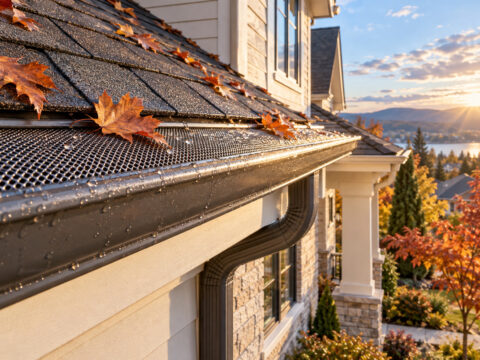
Fall leaves look great on the trees. On your roof, they are a different story. When leaves pile up on your roof and in your gutters, they hold water, block drainage, and slowly wear down the parts of your home that keep you dry.
The good news? A little fall roof maintenance goes a long way. Here is what really happens when leaves are left alone, and what you can do about it.
What Happens When Leaves Pile Up in Your Gutters?
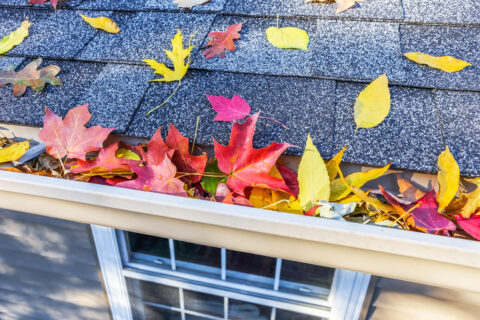
Your gutters have one job. They carry rainwater off your roof and away from your house. When leaves pile up inside them, that job stops getting done.
At first, a few leaves just slow the flow. Then rain packs them into a thick, wet clog. Water has nowhere to go, so it spills over the sides.
That overflow can cause real problems:
- Water pools near your foundation, which can lead to cracks and a wet basement.
- Soggy leaves add weight that can pull gutters loose from your home.
- Trapped water soaks the fascia boards behind the gutters, causing wood rot.
- Water can back up under the roof edge and leak into your attic or walls.
Clogged gutters do not usually fail all at once. The damage builds quietly, which is why it is so easy to miss.
How Wet Leaves Damage Your Roof
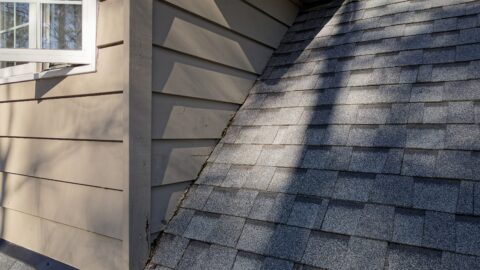
Leaves do not just collect in gutters. They also settle on the roof itself, especially in valleys, behind chimneys, and around vents. These are the spots where water already flows the most.
A pile of damp leaves acts like a sponge. It keeps moisture pressed against your shingles for days at a time. Over time, that can lead to:
- Moss, mold, and algae growth on the roof surface.
- Shingles that lose their protective granules faster.
- Water that sneaks under shingles and reaches the roof deck.
- Leaks that show up as stains on your ceiling months later.
Roof valleys are a big concern. They move a lot of water during a storm. If leaves block them, water can spread sideways and find weak spots.
Clogged Gutters Can Lead to Ice Dams
Leaves left in the fall can turn into a winter problem. When gutters are full of debris, melting snow cannot drain. It refreezes along the roof edge and forms an ice dam.
Ice dams push water back up under your shingles. That water can leak into your attic, soak insulation, and damage drywall. Clearing gutters before the first freeze is one of the easiest ways to lower this risk.
Leaf Piles Invite Pests
A gutter full of wet leaves is a cozy home for critters. Standing water draws mosquitoes. Rotting leaves attract bugs, which then attract birds and rodents.
Mice, squirrels, and other pests may use your gutters as a highway to your roof. From there, they look for gaps near vents and soffits to get inside. Keeping gutters clean takes away their shelter and their easy path in.
Signs Leaves Are Causing Trouble
You do not have to climb a ladder to spot many warning signs. Take a slow walk around your home after a rain and look for these clues:
- Water spilling over the top of your gutters.
- Gutters that sag or pull away from the house.
- Plants or seedlings growing in your gutters.
- Dark streaks or green patches on your shingles.
- Peeling paint or soft wood near the roof edge.
- Water stains on ceilings or in the attic.
If you notice any of these, it is a good time to have your roof and gutters checked.
How to Keep Leaves From Causing Damage
Preventing leaf damage is much easier than fixing it. A few simple habits can protect your roof and gutters all year.
Clean Gutters at Least Twice a Year
Plan for a cleaning in late spring and again in late fall, after most leaves have dropped. If you have tall trees close to your house, you may need more.
Trim Overhanging Branches
Branches that hang over your roof drop leaves right where you do not want them. Trimming them back also keeps limbs from scraping shingles in the wind.
Consider Gutter Guards
Gutter guards can cut down on clogs. They are not maintenance-free, though. Small debris can still build up, so they still need an occasional check.
Stay Safe
Ladders and roofs are risky, especially when surfaces are wet. If you are not comfortable working at heights, leave it to a pro. No clean gutter is worth a fall.
Schedule a Yearly Roof Inspection
A trained roofer can spot problems you cannot see from the ground. Catching a small issue early can save you from a costly repair later.
Choose a Local Roofer You Can Trust
Fall weather often brings storms, and storms bring storm chasers. These are out-of-town crews who knock on doors after bad weather. Some invent damage that is not there. Some cause damage while on your roof. Others take a down payment and never come back.
A good rule of thumb: the best roofers do not have to come knocking. Choose a local, established company that you contact on your own terms. Look for strong manufacturer credentials, a workmanship guarantee, and proper insurance.
Dale’s Roofing is an Owens Corning Platinum Preferred Contractor, a status earned by a small percentage of roofers. We stand behind our work with a workmanship guarantee and full insurance coverage.
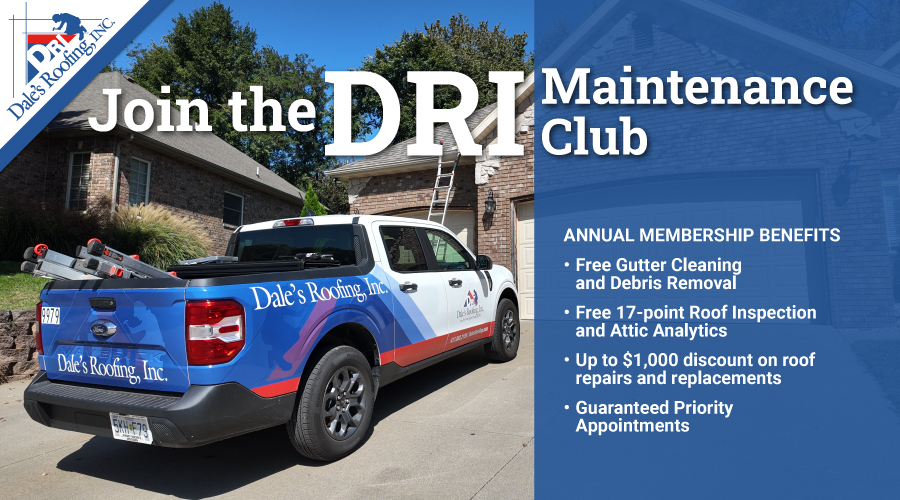
We also offer the DRI Maintenance Club for less than $200 a year. Members get gutter cleaning, an annual roof inspection, and discounts on repairs and replacements. As a bonus, we keep a record of every inspection visit. That history can be a big help if you ever need to file an insurance claim.
Frequently Asked Questions
Can leaves on a roof cause leaks?
Yes. Wet leaves trap moisture against shingles and can block water flow in roof valleys. Over time, water can work its way under the shingles and cause leaks.
How often should I clean my gutters?
Most homes need gutter cleaning at least twice a year, in spring and fall. Homes surrounded by trees may need it more often.
Is it okay to leave a few leaves on my roof?
A light scattering that blows away is usually fine. Piles that stay put, especially in valleys or around chimneys, should be removed.
Do gutter guards stop all clogs?
No. Gutter guards reduce clogs but do not end them. Fine debris can still collect, so guards still need routine checks.
When is the best time for a fall roof inspection?
Late fall works well, after most leaves have dropped and before the first freeze. That timing lets you fix small issues before winter weather hits.
Protect Your Home Before Winter Arrives
Leaves seem harmless, but when they pile up on your roof and in your gutters, they can lead to leaks, rot, pests, and ice dams. A little attention this fall can prevent a lot of trouble later.
Ready to take one thing off your fall to-do list? Contact Dale’s Roofing to schedule a gutter cleaning and roof inspection or ask about joining the DRI Maintenance Club for year-round peace of mind.