After the recent hailstorm rolled across the Ozarks, the team at Dale’s Roofing has been hearing one question more than any other: “Shouldn’t this roofing damage be covered under my warranty?” It’s a fair question, and the answer surprises a lot of homeowners. Understanding the difference between a roof warranty vs. insurance claim is the key to knowing who pays for your repairs—and why.
Below, we break down what each one actually covers in plain language, so you can move forward with confidence after a storm.
Roof Warranty vs. Roof Insurance Claim: What’s the Difference?
At first glance, a roof warranty and a roof insurance claim seem to do the same thing—pay to fix your roof. But they cover two completely different situations and mixing them up is where the confusion (and frustration) usually starts.
Here’s the simplest way to think about it: a warranty covers problems with the roof itself, while insurance covers damage done to the roof by something outside of it. One is about how the roof was made and installed. The other is about what happened to it afterward.
| Roof Warranty | Insurance Claim | |
| What it covers | Defects in materials or installation | Sudden damage from outside events |
| What triggers it | The roof fails on its own | Hail, wind, fallen trees, fire |
| Who provides it | Manufacturer and your roofer | Your homeowners insurer |
| Hail damage? | Not covered | Typically covered |
What Does a Roof Warranty Actually Cover?
A roof warranty is a promise that your roof was built and installed correctly. It protects you against defects—problems caused by faulty materials or workmanship, not by the weather.
Most standard roof warranties are weaker than homeowners expect. They often cover only the shingles, at a pro-rated rate that shrinks in value the longer you own the roof. Labor usually isn’t included, and neither are the many non-shingle components that make up a complete roof system. When a problem comes up, that’s when a lot of people learn what their warranty doesn’t cover.
Dale’s Roofing does warranty differently. We offer a lifetime, non-prorated warranty that covers shingles, roofing components, and workmanship—so the coverage doesn’t lose value over time, and you’re not stuck paying out of pocket for labor or overlooked parts.
On top of that, our workmanship warranties run 5 to 10 years on full replacements, tear-offs, and re-roofs, and 1 to 5 years on repairs.
Important to remember, though: even the strongest warranty covers defects, not storm damage.
What Does a Homeowners Insurance Claim Cover?
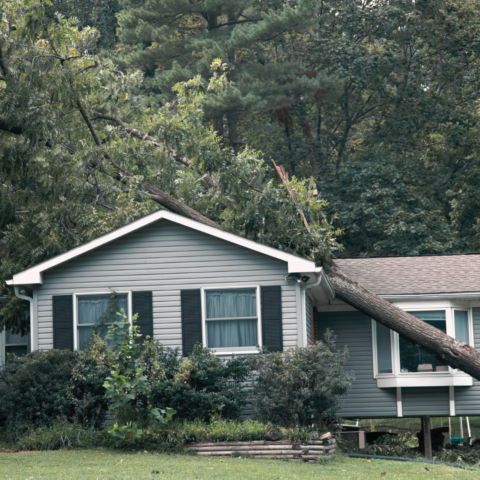
Insurance is the other side of the coin. A homeowners insurance claim covers sudden, accidental damage from outside forces—exactly the kind of thing a hailstorm causes.
Most policies accept roof damage claims from events like hail, high winds, falling trees, and fire. They typically do not cover damage from age, normal wear, or lack of maintenance. When you file a claim, your insurer sends an adjuster to inspect the roof, gauge the damage, and decide what’s covered based on your policy.
So when hail dents your shingles or cracks a vent, that’s an insurance matter—not a warranty one.
“Shouldn’t Hail Damage Be Covered Under My Warranty?”
This is the question we hear most after a storm, and it makes complete sense. You paid for a quality roof with a strong warranty, so why won’t that warranty cover hail damage?
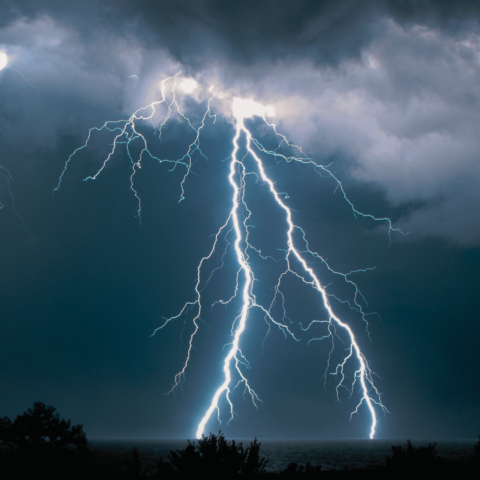
The answer comes down to what a warranty is designed to do. A warranty protects you if the roof fails on its own—say, a shingle was defective or installed incorrectly. Hail damage isn’t a failure of the roof or the installation. It’s damage caused by an outside force hitting a roof that was performing exactly as it should.
Think of it like your car. The manufacturer’s warranty covers a faulty transmission, but it won’t pay to fix a dent from a runaway shopping cart. That’s what your auto insurance is for. Roofs work the same way: warranties handle defects, insurance handles accidents and storms.
The good news is that hail is one of the most commonly covered events under homeowners insurance. So even though it isn’t a warranty issue, you’re likely not on your own.
Why Owens Corning Platinum Preferred Status Matters
There’s a reason Dale’s Roofing can offer a lifetime, non-prorated warranty when many roofers can’t: we’re an Owens Corning Platinum Preferred Contractor. It’s the manufacturer’s most elite designation, held by fewer than 1% of roofing contractors nationwide.
To earn and keep it, a contractor has to meet strict requirements—manufacturer-inspected workmanship, a proven record of customer service, financial stability, years in business, and substantial liability coverage. In short, a warranty is only as strong as the company standing behind it. When a storm hits and you need answers, that backing makes all the difference.
Beware of Storm Chasers After a Hailstorm
Big hailstorms bring out storm chasers—out-of-town contractors who flood the area, knock on doors, and pressure homeowners to sign on the spot. Many cut corners, invent or even cause damage to inflate a claim, or take a deposit and disappear.
There’s an added risk with your warranty, too: shoddy work from an uncertified storm chaser can void your manufacturer and workmanship coverage, leaving you with no real recourse. A simple rule keeps you safe—choose a contractor that lets you come to them, not one that shows up uninvited. Established local roofers earn business through reputation and results. They don’t need to chase storms to find it.
How the DRI Maintenance Club™ Protects You
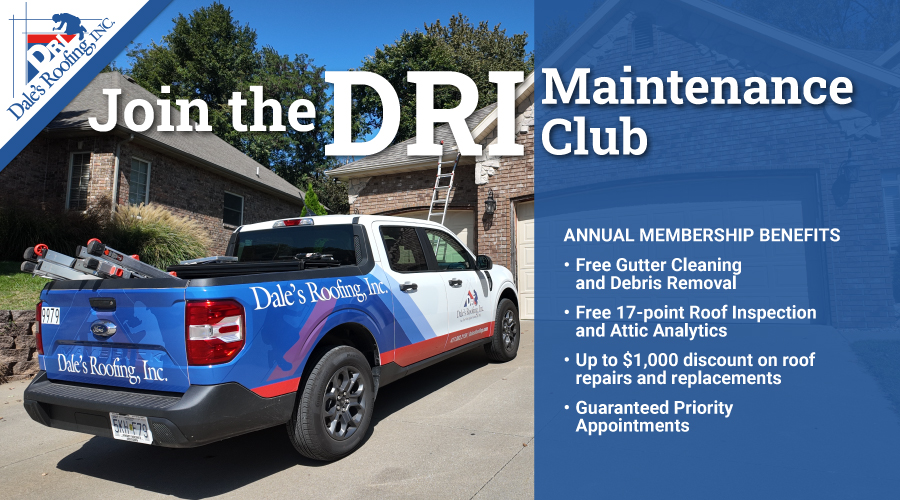
Whether your next roof issue turns out to be a warranty matter or an insurance claim, solid documentation helps your case. That’s exactly what the Dale’s Roofing Stay DRI Maintenance Club™ is built for.
For less than $200 a year, members receive annual inspections, gutter cleaning, and discounts on repairs and replacements. Just as valuable, we keep a detailed record of every inspection visit. That record helps prove your roof was well maintained—which supports an insurance claim after a storm and helps keep your warranty in good standing by showing the roof was properly cared for.
Frequently Asked Questions: Roof Warranty vs. Insurance Claim
Is hail damage covered by my roof warranty or my insurance?
Hail damage is almost always an insurance matter, not a warranty one. Warranties cover defects in materials or installation, while insurance covers sudden damage from outside events like hail and wind.
What’s the difference between a roof warranty and an insurance claim?
A warranty covers problems with the roof itself, such as faulty materials or workmanship. An insurance claim covers damage done to the roof by an outside force, like a storm. One is about how the roof was made; the other is about what happened to it.
Does a roof warranty cover storm damage?
Generally, no. Standard manufacturer and workmanship warranties exclude damage from weather events. That kind of damage falls under your homeowners insurance policy instead.
Will using a storm chaser void my roof warranty?
It can. Poor-quality repairs or installation by an uncertified contractor may void your manufacturer and workmanship warranties. Working with a certified, established roofer protects your coverage.
What makes the Dale’s Roofing warranty different?
Dale’s offers a lifetime, non-prorated warranty covering shingles, roofing components, and workmanship—made possible by our Owens Corning Platinum Preferred status. Many standard warranties cover only shingles at a pro-rated rate and leave out labor.
Still Not Sure Whether It’s a Warranty or Insurance Issue?
Since 1986, Dale’s Roofing has helped Springfield and Ozarks homeowners make sense of warranties, insurance claims, and everything in between. As an Owens Corning Platinum Preferred Contractor, we give honest answers and stand behind our work.
If the recent hail left you wondering what’s covered, reach out to Dale’s Roofing for an inspection. We’ll help you figure out the right path forward.